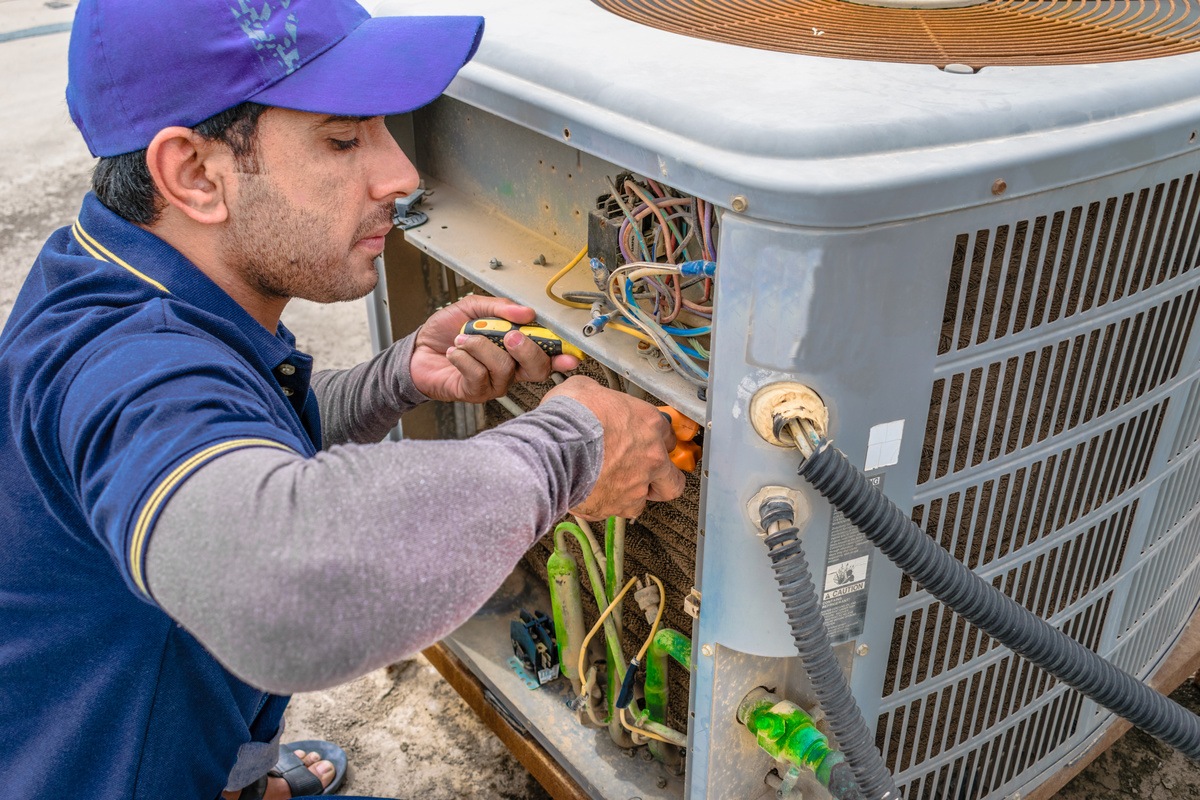
A reliable heating system is not something most homeowners think about until the temperature drops and the furnace refuses to cooperate. In a Connecticut winter, that moment can arrive fast, and it usually arrives when you least expect it. A properly installed heating system is the difference between a warm, comfortable home and a long, cold night waiting for help. That is why the installation itself matters just as much as the equipment you choose.
At East Coast Mechanical, Inc. of Cheshire, Connecticut, heating installation is treated as a complete process rather than a single appointment. From the first measurement to the final test, every step is designed to give you a system that heats evenly, runs efficiently, and lasts for years. Below, we walk through the questions homeowners ask most often, and we explain how a professional installation should be handled from start to finish.
Why Proper Heating Installation Matters
Many heating problems that surface years down the road actually begin on the day of installation. An oversized furnace short-cycles, turning on and off repeatedly, which wastes fuel and wears out components early. An undersized system runs constantly and still struggles to keep up on the coldest days. Ductwork that leaks or was never sealed correctly can waste a large percentage of the heat your system produces before it ever reaches a room.
When installation is done correctly, the results are quieter operation, lower energy bills, and consistent comfort from one room to the next. A carefully installed system also tends to require fewer repairs over its lifetime, which protects the investment you make in new equipment. This is why we focus so heavily on the details that other installers sometimes rush through.
How We Approach a New Heating System
Every heating installation we perform in Wallingford, CT begins with an assessment of your home. We look at square footage, insulation levels, window placement, ceiling height, and the existing ductwork or distribution system. This information feeds into a heat load calculation that tells us exactly how much heating capacity your home needs. We do not rely on rules of thumb or simply match the size of your old unit, because homes change over time and older systems were often sized incorrectly to begin with.
Once we know the required capacity, we help you select the right type of system for your home and budget. Some homeowners are best served by a high-efficiency gas furnace, while others benefit from a heat pump, a boiler, or a hybrid system that switches between fuel sources based on outdoor conditions. We explain the differences in plain language so you can make an informed decision without feeling pressured toward the most expensive option.
Types of Heating Systems We Install
Different homes call for different solutions, and part of a good installation is matching the equipment to the way you actually live. Below are the systems we work with most often and where each one tends to make sense.
- Gas furnaces: A popular choice for their fast, powerful heat and lower operating cost where natural gas is available. Modern high-efficiency models recover heat that older units sent up the flue.
- Heat pumps: An excellent option for homeowners who want both heating and cooling from a single system, with strong efficiency in the moderate parts of the season.
- Boilers: Well suited to homes with radiators or radiant floor heat, delivering steady, comfortable warmth without the dry air that some forced-air systems produce.
- Ductless mini-splits: Ideal for additions, finished basements, or homes without existing ductwork, allowing room-by-room temperature control.
During your consultation, we discuss the efficiency ratings that matter for each type. For furnaces, that means the AFUE rating, which measures how much of the fuel is converted into usable heat. For heat pumps, we look at the HSPF rating for heating performance. Higher ratings generally mean lower operating costs, though the right balance depends on how you use your home and how long you plan to stay in it.
Our Installation Process Step by Step
Once you approve the plan, we schedule the installation at a time that works for you. Our goal is a clean, organized job site and a system that is ready to run before we leave. The process generally follows a clear sequence so nothing is overlooked.
- Safe removal of old equipment: We disconnect and remove the existing unit, taking care to handle refrigerant, gas lines, and electrical connections according to code.
- Preparing the space: We inspect and, when needed, repair or seal ductwork, upgrade venting, and confirm that the mounting location meets clearance and safety requirements.
- Setting the new system: The new furnace, boiler, or heat pump is positioned, leveled, and connected to fuel, electrical, and distribution lines.
- Testing and calibration: We start the system, check gas pressure or refrigerant charge, verify airflow, and confirm that safety controls respond correctly.
Before we consider a job finished, we walk you through the new system and show you how to operate the thermostat and change filters. We want you to feel comfortable with your equipment, not confused by it. We also make sure the work area is left as clean as we found it.
Technical Details That Make a Difference
Small technical decisions during installation have a lasting effect on comfort and reliability. Correct gas pressure keeps a furnace burning cleanly and efficiently. Proper refrigerant charge in a heat pump prevents premature compressor failure. Balanced airflow across the heat exchanger protects the equipment and keeps rooms evenly heated. We take the time to measure and adjust these values instead of assuming factory settings are correct for your specific home.
Thermostat selection and placement also matter more than many homeowners realize. A thermostat installed near a drafty door or a heat source will read the temperature inaccurately and cause uneven heating. We position controls in a neutral location and can install programmable or smart thermostats that let you schedule temperatures around your daily routine, which helps reduce energy use without sacrificing comfort.
Serving Wallingford and the Surrounding Communities
East Coast Mechanical, Inc. of Cheshire, Connecticut proudly provides heating installation along with heating repair, heating service, HVAC installation, and AC repair and service throughout Cheshire CT, Wallingford CT, Meriden CT, Southington CT, Hamden CT, Naugatuck CT, North Haven CT, Wolcott CT. and Bethany CT. Our familiarity with local homes, climate conditions, and building requirements means we can recommend systems that hold up well through Connecticut winters and perform efficiently for many seasons.
The health and safety of our customers and our team remain a priority in everything we do. We continue to provide our customers and community with the best HVAC service while doing all we can to help keep you safe and healthy, with PPE provided to all our staff. That commitment carries through every visit, whether we are installing a brand-new heating system or servicing an existing one.
Ready to Talk About Your Heating Installation
Choosing and installing a heating system is a decision that affects your comfort and your budget for a decade or more. It deserves careful planning, honest recommendations, and skilled workmanship. When you are ready to explore your options, East Coast Mechanical, Inc. of Cheshire, Connecticut is here to answer your questions, measure your home, and design a heating solution that fits the way you live.
Whether your current system has finally given out, you are upgrading to something more efficient, or you are building or renovating and need a system from the ground up, we are glad to help. Reach out to East Coast Mechanical, Inc. of Cheshire, Connecticut to schedule a consultation and take the first step toward a warmer, more comfortable home in Wallingford, CT.
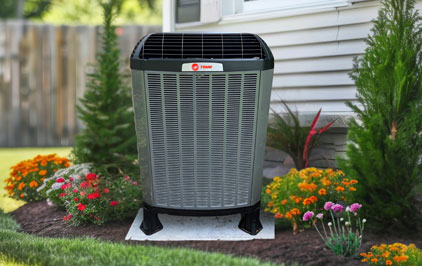
Ensure optimal performance of your heat pumps with expert servicing from East Coast Mechanical, Inc. of Cheshire, Connecticut!
Schedule Now