A furnace that struggles to keep pace with a Connecticut winter is more than an inconvenience. It signals a system that is either undersized, aging, or improperly matched to the home it serves. Getting heating installation right the first time depends on precise measurement, correct equipment selection, and disciplined workmanship. At East Coast Mechanical, Inc. of Cheshire, Connecticut, we approach every heating installation in Southington, CT as an engineering task rather than a simple equipment swap, and that approach is what determines whether your system runs efficiently for the next fifteen to twenty years.
What Makes a Heating Installation Successful
The quality of a heating installation is decided long before any equipment reaches your basement or utility room. It begins with an accurate assessment of the building itself: the square footage, ceiling heights, window count and glazing type, insulation levels, and how air moves through the structure. A furnace that is too large will short-cycle, turning on and off repeatedly, which wastes fuel and wears out components prematurely. A unit that is too small will run constantly and still fail to reach the thermostat setpoint on the coldest nights.
We measure heating demand using a heat-loss calculation that accounts for the specific characteristics of your home. This produces a required output in British Thermal Units (BTUs) per hour, which then guides the selection of equipment rated to match. A properly sized system reaches a comfortable temperature steadily, maintains it without excessive cycling, and does so while consuming the least amount of energy. This is the foundation of every project we complete, and skipping it is the most common reason installations underperform.
Choosing the Right Heating System for Your Home
Southington homes vary widely, from older colonials with existing ductwork to newer construction with radiant or hydronic distribution. The right heating solution depends on your existing infrastructure, your fuel availability, and your comfort priorities. We install and configure several system types, each suited to different situations:
- Gas furnaces: A dependable choice for homes with natural gas service, offering strong heat output and high efficiency ratings measured by Annual Fuel Utilization Efficiency (AFUE). Modern condensing furnaces reach AFUE ratings above 95 percent, meaning nearly all fuel energy converts to usable heat.
- Oil-fired furnaces and boilers: Common in this region, oil systems remain a solid option for properties without gas access. Current models burn far cleaner and more efficiently than units built even a decade ago.
- Heat pumps: An increasingly popular option that both heats and cools. Cold-climate heat pumps now perform well in Connecticut winters and can serve as a primary or supplemental heat source.
- Boilers for hydronic systems: Ideal for homes using baseboard or radiant floor heat, delivering even, quiet warmth throughout the living space.
Selecting between these options is a conversation, not a sales pitch. We explain the trade-offs in efficiency, operating cost, and long-term maintenance so you can make a decision that fits your home and budget. When you already have ductwork or piping in place, we evaluate whether it can be reused or whether modifications will improve performance.
Our Heating Installation Process
Once the equipment is selected, the installation itself follows a sequence designed to protect your home and guarantee reliable operation. We begin by safely disconnecting and removing the existing system, taking care with fuel lines, electrical connections, and venting. Old equipment is handled and disposed of responsibly, and the workspace is protected before any new components arrive.
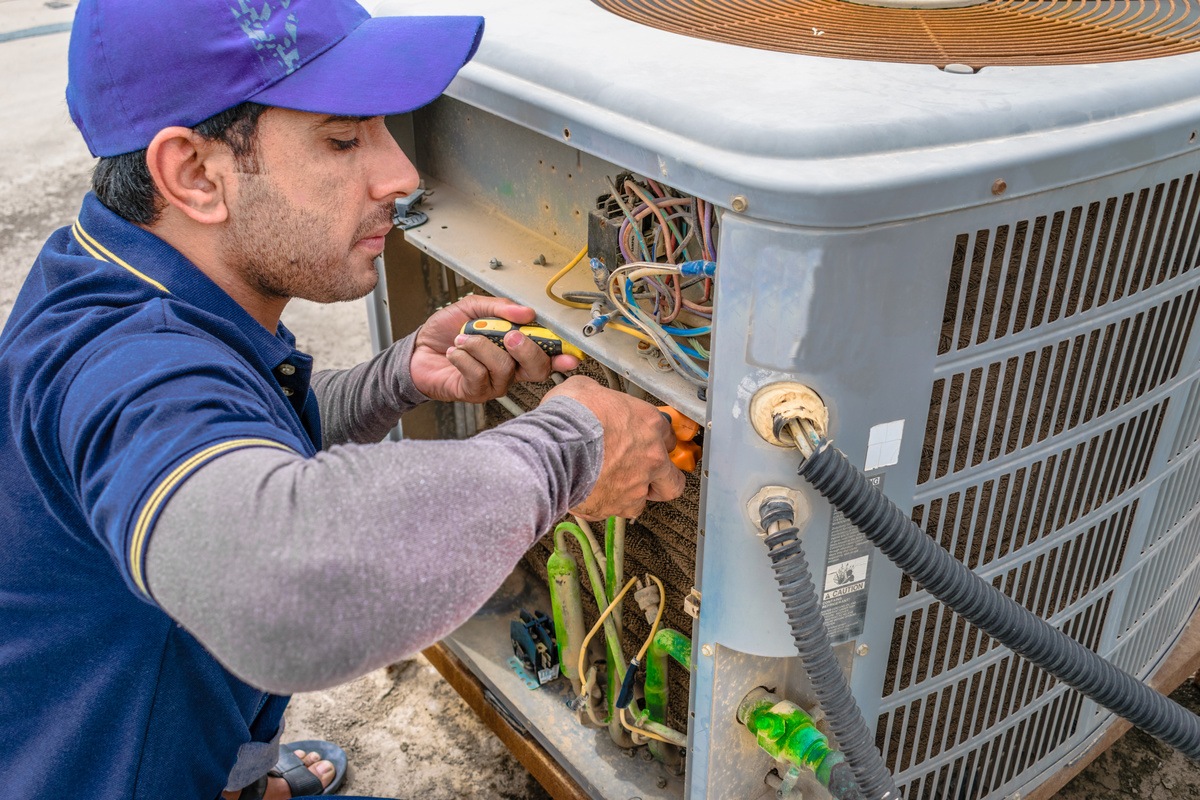
Next comes the setting and connection of the new unit. This includes securing the furnace or boiler in position, connecting supply and return ductwork or piping, running the fuel line, and wiring the control circuits and thermostat. Venting receives particular attention because improper flue configuration can allow combustion gases to enter the home. We verify that all venting meets code requirements and that combustion air supply is adequate for safe operation. Every gas or oil connection is leak-tested, and every electrical connection is checked for correct polarity and grounding.
The final phase is startup and verification. We fire the system, confirm ignition sequences, measure temperature rise across the heat exchanger, and check gas pressure or oil nozzle performance against manufacturer specifications. We calibrate the thermostat, cycle the system through a complete heating call, and confirm that airflow or water flow matches design targets. Only when every reading falls within the correct range do we consider the installation complete.
Common Concerns Homeowners Raise
Many people ask whether they should repair an aging furnace or replace it entirely. The answer depends on the unit’s age, its efficiency, and the cost of the needed repair relative to the value of a new system. As a general guideline, when a furnace is past fifteen years old and facing a major repair, replacement usually delivers better long-term value through lower fuel bills and fewer breakdowns.
Another frequent question concerns disruption. A standard furnace or boiler replacement can typically be completed within a single day, though larger projects involving new ductwork or a fuel conversion may take longer. We schedule work to minimize the time your home is without heat, and during colder months we prioritize keeping the disruption as short as possible. We also protect flooring and walkways, and we clean the work area thoroughly before we leave.
Homeowners also want to understand what maintenance a new system will require. Every heating system benefits from an annual inspection that includes cleaning burners, checking safety controls, inspecting the heat exchanger, and verifying combustion efficiency. Establishing this routine from the start extends the life of the equipment and keeps warranty coverage valid.
Serving Southington and Nearby Communities
Our work extends throughout the region, and we bring the same standards to homes across Cheshire CT, Wallingford CT, Meriden CT, Southington CT, Hamden CT, Naugatuck CT, North Haven CT, Wolcott CT. and Bethany CT. Southington presents a particular mix of housing stock, from established neighborhoods with older systems ready for modern replacements to newer homes needing high-efficiency equipment matched to tight building envelopes. That variety is exactly why a one-size approach fails, and why we tailor each installation to the property in front of us.
Beyond heating installation, East Coast Mechanical, Inc. of Cheshire, Connecticut provides heating repair, heating service, HVAC installation, AC repair, and AC service across the area. This full-service capability means the company that installs your heating system is the same one you can call for seasonal maintenance or an unexpected issue years down the road. Continuity matters: a contractor familiar with your system diagnoses problems faster and services equipment more accurately.
The health and safety of our customers guides how we work. We continue to provide our customers and community with the best HVAC service while doing all we can to help keep you Safe and Healthy, with PPE provided to all our staff. That commitment carries into every home we enter, from the initial assessment through the final walkthrough.
Why Precision Matters in the Long Run
A heating system represents a significant investment, and the difference between a careful installation and a rushed one shows up in every heating season that follows. Correct sizing prevents wasted fuel. Proper venting protects your family. Accurate calibration keeps the system comfortable and quiet. These details are not optional refinements; they are the core of professional work.
When you choose East Coast Mechanical, Inc. of Cheshire, Connecticut for heating installation in Southington, CT, you receive a system engineered to your home, installed to specification, and verified before we consider the job done. That discipline is what keeps homes warm reliably through Connecticut winters and what protects the value of your equipment for years to come. Reach out to discuss your heating needs, and we will help you determine the right path forward for your home.
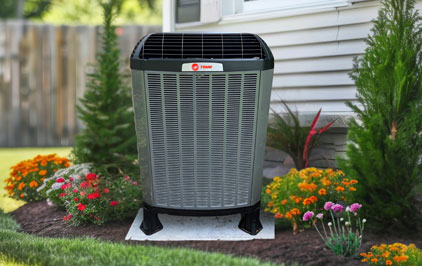
Ensure optimal performance of your heat pumps with expert servicing from East Coast Mechanical, Inc. of Cheshire, Connecticut!
Schedule Now