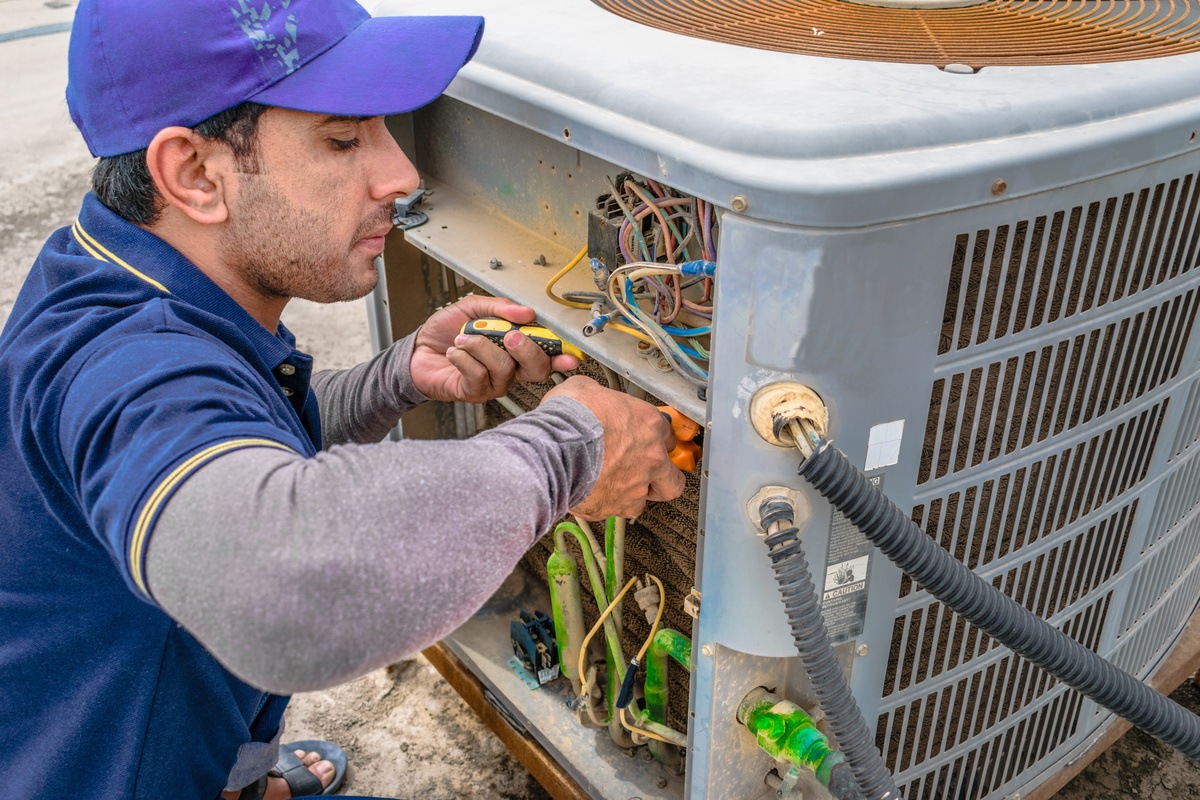
Variable refrigerant flow technology moves heat instead of generating it from scratch, and that single difference makes VRF one of the most efficient climate control options available for Meriden, CT buildings today. A VRF system uses refrigerant as the heating and cooling medium, routing it through a network of pipes to multiple indoor units that each operate independently. The result is precise, zoned comfort that traditional ducted systems struggle to match. At East Coast Mechanical, Inc. of Cheshire, Connecticut, we design, install, and service these systems for residential and commercial clients throughout the area.
How VRF Technology Works
A VRF system centers on one or more outdoor condensing units connected to several indoor air handlers. Rather than cycling fully on and off like a conventional compressor, a VRF compressor varies its speed to deliver exactly the amount of refrigerant each zone requires at any moment. This modulation reduces the energy spikes associated with repeated start-stop cycles and keeps indoor temperatures remarkably stable.
The technology divides into two main configurations. Heat pump systems provide either heating or cooling to all connected zones at the same time. Heat recovery systems go a step further, allowing some zones to cool while others heat simultaneously. In a heat recovery setup, waste heat extracted from a room that needs cooling gets transferred to a room that needs warming, which captures energy that would otherwise be lost. For mixed-use buildings in Meriden, CT where a server room needs cooling year-round while offices need heat in winter, this capability translates directly into lower operating costs.
Why VRF Makes Sense for Meriden Properties
Connecticut weather swings hard between humid summers and cold winters, and VRF handles both ends of that range with a single system. The inverter-driven compressors maintain capacity even as outdoor temperatures drop, and many units continue delivering reliable heat well below freezing. This matters in our climate, where supplemental heating costs can climb quickly during extended cold snaps.
Older homes and historic buildings in the Meriden area often lack the ductwork needed for central air. Retrofitting full duct runs into finished walls and ceilings is disruptive and expensive. VRF systems use small-diameter refrigerant lines instead of large ducts, so installation requires far less demolition. We can route refrigerant piping through tight chases and run it long distances between the outdoor unit and the indoor units, giving us flexibility that ducted systems cannot offer.
Applications We Serve
VRF adapts to a wide range of building types, and we have installed these systems across many of them. The zoning flexibility and quiet operation make VRF a strong fit wherever occupants want individual control over their space.
- Single-family homes: Homeowners gain room-by-room temperature control, eliminating the hot and cold spots common with single-zone central systems.
- Multi-family buildings: Each unit or apartment operates on its own set point without affecting neighboring spaces, and metering individual usage becomes straightforward.
- Office buildings: Conference rooms, open floor plans, and private offices each receive tailored conditioning, improving comfort for occupants with different preferences.
- Retail and restaurants: High-traffic areas and kitchens with heavy heat loads get matched to the cooling they need while quieter zones stay comfortable.
- Medical and professional offices: Consistent temperatures and low noise levels support environments where comfort and quiet matter.
Because a single outdoor unit can support numerous indoor units, VRF scales naturally as a building grows or changes. If a tenant reconfigures a floor plan, we can add or relocate indoor units without redesigning the entire system. That adaptability keeps VRF relevant throughout the long service life of the equipment.
Our Design and Installation Process
A VRF installation succeeds or fails on the quality of its engineering, so we begin every project with a detailed load calculation. We measure each zone’s heating and cooling demand based on square footage, insulation, window area, occupancy, and equipment heat gain. Guessing at capacity leads to short cycling, uneven comfort, and wasted energy, so we size each indoor unit and the overall system to the actual requirements of the building.
Once the design is set, our team manages the complete installation. The steps below outline how we approach a typical project.
- Site assessment: We evaluate structural conditions, electrical capacity, and the best locations for outdoor and indoor equipment.
- Refrigerant line routing: We plan and run the piping network, paying close attention to line lengths, elevation differences, and branch controller placement.
- Equipment mounting: We set the outdoor condensing unit and install each indoor air handler, whether wall-mounted, ceiling-cassette, or ducted concealed style.
- Electrical and controls: We connect power, communication wiring, and the control interface that ties every zone together.
- Commissioning: We pressure-test the refrigerant circuit, charge the system, verify airflow, and confirm each zone responds correctly before we consider the job complete.
Technical Specifications That Matter
Efficiency ratings tell much of the VRF story. These systems commonly post high Seasonal Energy Efficiency Ratio and Heating Seasonal Performance Factor numbers because the variable-speed compressors avoid the energy waste of fixed-speed equipment. The inverter technology ramps capacity up and down in small increments, matching output to demand rather than overshooting and then shutting off.
Refrigerant line length is another critical specification. VRF systems support long total piping runs and significant vertical separation between the outdoor unit and the farthest indoor unit. This gives us freedom in placement but also demands careful calculation, because line length affects refrigerant charge and overall performance. We account for these factors during design so the installed system performs exactly as engineered.
Indoor unit variety rounds out the technical picture. We select from compact ductless heads, recessed ceiling cassettes, low-profile ducted units, and floor-standing models depending on the space and the look the client wants. Each type carries its own airflow and capacity characteristics, and matching the right unit to each zone is part of delivering a system that both performs well and fits the room.
Service, Maintenance, and Support
A VRF system rewards regular maintenance with years of dependable operation. We recommend scheduled service that includes cleaning filters and coils, checking refrigerant charge, inspecting electrical connections, and verifying that the controls and sensors report accurately. Catching a small refrigerant issue or a dirty coil early prevents the larger failures and efficiency losses that follow neglect.
Beyond VRF, East Coast Mechanical, Inc. of Cheshire, Connecticut provides full HVAC support including Heating Repair, Heating Service, HVAC Installation, AC Repair, and AC Service. Whether you run a VRF system, a conventional furnace, or a central air setup, our team keeps your equipment running through every season. We serve Cheshire CT, Wallingford CT, Meriden CT, Southington CT, Hamden CT, Naugatuck CT, North Haven CT, Wolcott CT. and Bethany CT and the surrounding Connecticut communities with the same attention to detail on every call.
Your safety stays a priority in everything we do. We continue to provide our customers and community with the best HVAC service while doing all we can to help keep you safe and healthy, with PPE provided to all our staff. When you reach out to East Coast Mechanical, Inc. of Cheshire, Connecticut about a VRF system for your Meriden, CT property, you work with a team that treats your home or business with respect from the first assessment through long-term service. Contact us to discuss how variable refrigerant flow technology can improve comfort and lower energy use in your building.
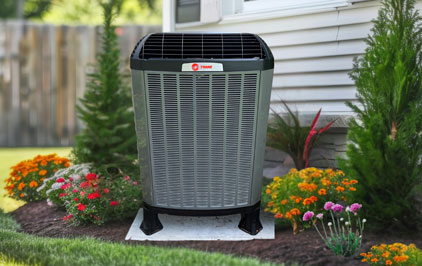
Ensure optimal performance of your heat pumps with expert servicing from East Coast Mechanical, Inc. of Cheshire, Connecticut!
Schedule Now