Imagine a commercial building in Southington, CT where one office needs cooling to keep a server room stable, while a meeting room on the opposite side needs warmth for a morning session. A single conventional system struggles to meet both demands at once. This is exactly the kind of challenge a Variable Refrigerant Flow system solves with precision. At East Coast Mechanical, Inc. of Cheshire, Connecticut, we design and install VRF systems that deliver simultaneous heating and cooling across different zones, giving each space the exact temperature it needs without wasting energy. Whether you manage a multi-story office, a medical suite, a restaurant, or a residential property with varied comfort needs, VRF technology offers a level of control that older systems simply cannot match.
What a VRF System Is and How It Works
A Variable Refrigerant Flow system uses refrigerant as the heat transfer medium instead of water or forced air from a single central unit. One or more outdoor condensing units connect to multiple indoor units through a network of refrigerant lines. The system continuously adjusts the amount of refrigerant flowing to each indoor unit based on the precise demand of that zone. This means one room can receive cooling at the same time another receives heating, all from the same system, when a heat recovery configuration is used.
The intelligence behind VRF comes from inverter-driven compressors. Rather than running at full speed and then shutting off, the compressor modulates its output to match the real-time load. This constant adjustment keeps temperatures stable, reduces the hard starts that wear equipment down, and lowers the energy draw during partial-load conditions, which is most of the time. For property owners in Southington, this translates into steady comfort and meaningful operating savings across the seasons.
Why Property Owners in Southington Choose VRF
Connecticut weather swings from humid summers to deeply cold winters, and buildings here must handle both extremes gracefully. A VRF system is well suited to this climate because it heats and cools efficiently across a wide outdoor temperature range. Heat pump VRF models extract warmth from outdoor air even when the temperature drops, while heat recovery models move captured heat from one zone to another instead of rejecting it outside. That recovered energy becomes free heating for the spaces that need it.
Beyond efficiency, the flexibility of VRF appeals to a wide range of properties. The absence of large ductwork allows installation in older buildings where duct space is limited, and the quiet operation of indoor units suits offices, bedrooms, and patient rooms alike. When we consult with clients at East Coast Mechanical, Inc. of Cheshire, Connecticut, we often find that VRF resolves comfort complaints that no amount of adjusting on an older system could fix.
Key Advantages of VRF Technology
Understanding the practical benefits helps you decide whether a VRF system fits your property. The strengths of this technology become clear once you compare it to traditional split or packaged units.
- Zoned temperature control: Each indoor unit operates independently, so no one has to compromise on comfort to satisfy a single thermostat.
- High energy efficiency: Inverter compressors and heat recovery reduce energy use, especially during the partial-load conditions that dominate daily operation.
- Quiet performance: Indoor units run softly, making them ideal for spaces where noise would be disruptive.
- Design flexibility: Compact refrigerant lines route through tight spaces, which simplifies retrofits in buildings that cannot accommodate bulky ducts.
- Scalability: You can add or reconfigure indoor units as your needs change, which protects your investment over time.
Applications We Serve With VRF Systems
The versatility of VRF makes it a strong choice for many building types. In office environments, different departments and orientations create uneven loads, and VRF balances them without constant manual adjustment. The south side of a building that bakes in afternoon sun can cool while a shaded north office receives heat. This simultaneous operation is a hallmark of heat recovery VRF and a frequent reason clients approach us about an upgrade.
Restaurants and retail spaces benefit from the quiet, precise comfort control that keeps both customers and staff comfortable despite heat from kitchens, lighting, and foot traffic. Medical and dental offices rely on consistent conditions and low noise, and VRF delivers both while giving each exam room its own setting. In residential settings, larger homes with sunrooms, finished basements, and upper-floor bedrooms often suffer from uneven temperatures, and a VRF system addresses every zone individually. Across all of these cases, our team tailors the design so the equipment matches the way the space is actually used.
Our VRF Design and Installation Process
A successful VRF installation begins long before any equipment arrives. We start with a detailed load calculation that accounts for square footage, insulation, window placement, occupancy patterns, and internal heat sources. This step is critical because an oversized or undersized system wastes energy and shortens equipment life. From there, we map the refrigerant line routing, select indoor unit styles that suit each space, and specify the outdoor unit capacity that supports the whole network.
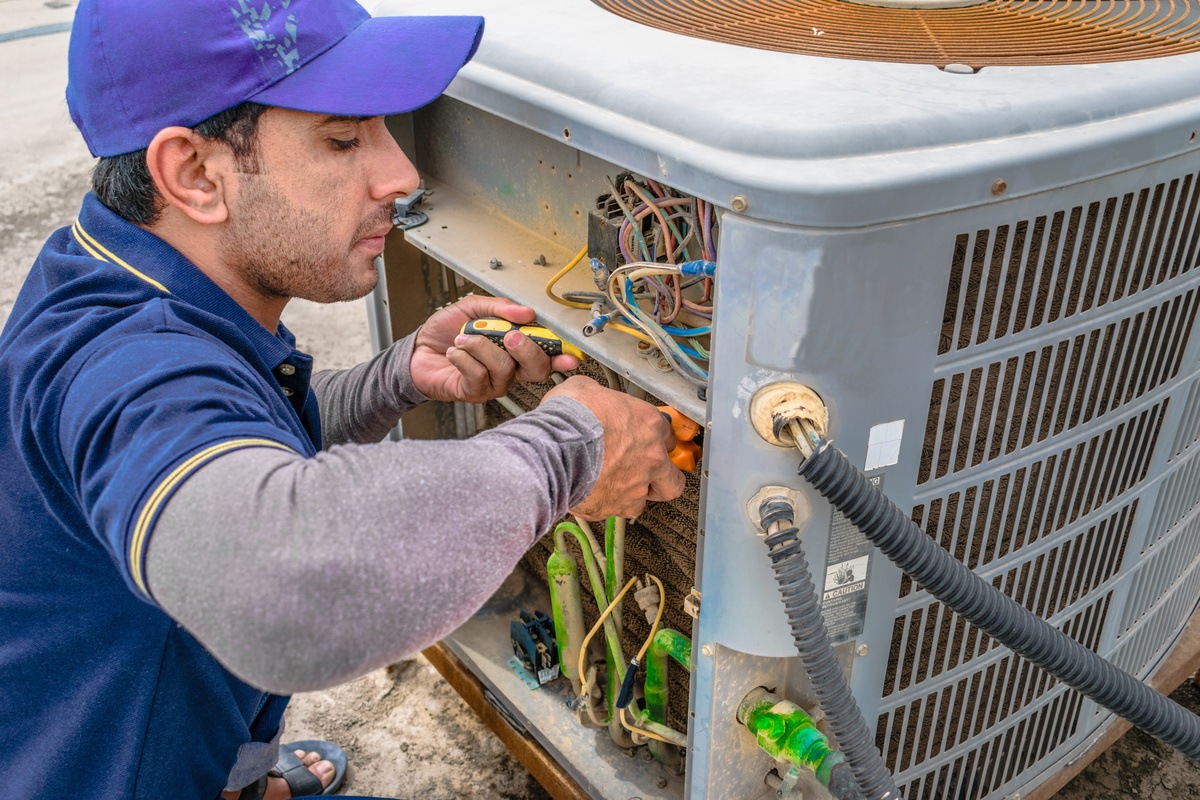
During installation, our technicians follow manufacturer specifications closely to protect both performance and warranty coverage. Refrigerant piping is carefully brazed, pressure tested, and evacuated to remove moisture and contaminants that could harm the compressor. Electrical connections, control wiring, and condensate management all receive the same attention. Once the system is charged and commissioned, we verify operation in every zone and walk you through the controls so you feel confident managing your new system. Throughout the project, we continue to provide our customers and community with the best HVAC service while doing all we can to help keep you safe and healthy, with PPE provided to all our staff.
Technical Specifications Worth Understanding
When we discuss a VRF project with you, a few technical details shape the design and the results you can expect. Knowing these terms helps you participate in the decisions that affect your comfort and your operating costs.
- Heat pump versus heat recovery: Heat pump systems heat or cool all zones at once, while heat recovery systems allow some zones to heat while others cool simultaneously.
- Indoor unit variety: Options include ceiling cassettes, wall-mounted units, ducted air handlers, and floor-mounted units, each suited to different spaces.
- Refrigerant piping length: VRF supports long pipe runs and significant height differences between indoor and outdoor units, which gives flexibility in multi-story buildings.
- Control systems: Centralized controllers and individual thermostats let you manage the entire system or fine-tune a single room.
- Efficiency ratings: Metrics such as SEER and HSPF indicate seasonal cooling and heating efficiency, and higher values mean lower energy use over time.
Maintenance That Protects Your Investment
A VRF system rewards consistent care with years of reliable, efficient service. Regular maintenance keeps filters clean, verifies refrigerant charge, inspects electrical connections, and confirms that each zone responds correctly to its controls. Because the inverter compressor is the heart of the system, keeping it free of stress from dirty coils or low refrigerant is essential to a long service life. We recommend scheduled seasonal visits so small issues are caught before they affect comfort or efficiency.
Our relationship with clients does not end at commissioning. We support your VRF system with ongoing service, and we bring the same expertise to heating repair, heating service, HVAC installation, AC repair, and AC service that we provide throughout our service area. From our base serving Cheshire CT, Wallingford CT, Meriden CT, Southington CT, Hamden CT, Naugatuck CT, North Haven CT, Wolcott CT. and Bethany CT, East Coast Mechanical, Inc. of Cheshire, Connecticut stands ready to keep your system performing at its best season after season.
Partner With East Coast Mechanical, Inc. of Cheshire, Connecticut
Choosing a VRF system is a significant decision, and the quality of the design and installation determines how well it performs for years to come. Our team takes the time to understand your property, your budget priorities, and the way you use each space before recommending a solution. We believe in honest guidance and workmanship that holds up, because your comfort and confidence matter to us.
If you own or manage a property in Southington, CT and want to explore how a VRF system could improve comfort and lower energy use, reach out to East Coast Mechanical, Inc. of Cheshire, Connecticut. We are glad to answer your questions, evaluate your building, and design a system that fits your needs precisely. Let us show you why modern VRF technology has become one of the most effective ways to heat and cool a wide range of spaces.
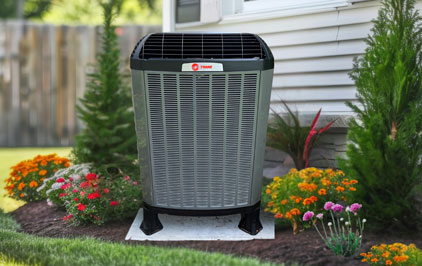
Ensure optimal performance of your heat pumps with expert servicing from East Coast Mechanical, Inc. of Cheshire, Connecticut!
Schedule Now