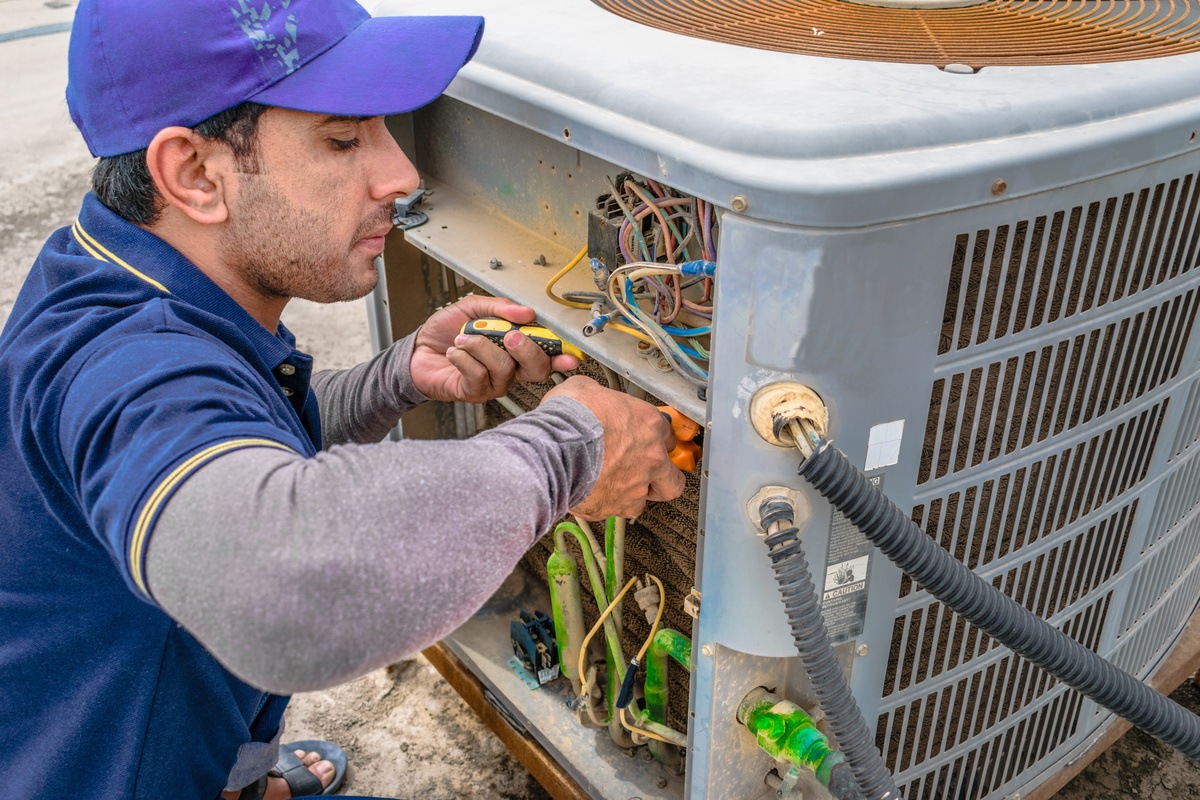
A single refrigerant line set carrying both heating and cooling to a dozen separate zones, each one controlled independently, is the defining feature of a Variable Refrigerant Flow system. This is not a scaled-up version of the ductless mini-split you might know from a single room. A VRF system is a building-wide climate platform that moves precise amounts of refrigerant to indoor units as demand changes minute by minute. For property owners in North Haven, CT who want quiet, efficient, zone-by-zone comfort without the energy waste of older central systems, VRF technology from East Coast Mechanical, Inc. of Cheshire, Connecticut offers a compelling answer.
What a VRF System Actually Does
At its core, a VRF system varies the flow of refrigerant to match the exact load of each indoor unit. Instead of a compressor that runs at full capacity and then shuts off, VRF uses inverter-driven compressors that ramp up and down continuously. When a conference room fills with people and warms up, the system sends more refrigerant to that zone. When an empty office needs almost nothing, the system throttles back. This constant modulation is what makes VRF so efficient compared to traditional systems that cycle on and off.
Many VRF configurations are heat-recovery systems, which means they can heat some zones while cooling others at the same time. In a North Haven office building, the sun-facing south side might need cooling in the afternoon while the shaded north side still needs heat. A heat-recovery VRF system captures the heat removed from the warm zones and redirects it to the cool zones, recycling energy that a conventional system would simply reject outdoors. This capability is one of the strongest arguments for choosing VRF in buildings with varied and shifting loads.
Common Questions Property Owners Ask Us
When people in North Haven first consider VRF, they usually arrive with a handful of practical concerns. The most frequent one is whether the technology fits their building. The answer depends on the structure, but VRF adapts to a remarkably wide range of properties. It works in multi-story commercial buildings, mixed-use developments, medical offices, restaurants, and large custom homes. Because the refrigerant lines are compact compared to ductwork, VRF fits well in buildings where running large ducts would be difficult or costly.
Another common question concerns noise. Traditional rooftop units and furnaces produce noticeable sound, especially during startup. VRF indoor units run quietly because the inverter compressor rarely reaches full speed, and the outdoor condensing unit sits apart from occupied spaces. A third question is about control. Owners want to know if they can manage each zone separately, and with VRF they can. Every indoor unit can have its own setpoint, schedule, and operating mode, which eliminates the thermostat battles that plague single-zone buildings.
How East Coast Mechanical, Inc. of Cheshire, Connecticut Approaches a VRF Project
A VRF installation succeeds or fails based on the planning that happens before any equipment is mounted. We start with a detailed load calculation for every zone in the building. This is not a rough estimate based on square footage. We account for window area and orientation, insulation values, occupancy patterns, internal heat gains from equipment and lighting, and ventilation requirements. These numbers determine the capacity of each indoor unit and the size of the outdoor condensing unit. Oversizing wastes money and undermines efficiency, while undersizing leaves zones uncomfortable on peak days.
Once the loads are known, we design the refrigerant piping network. VRF systems use branch controllers and specialized fittings to distribute refrigerant among many indoor units, and the length and configuration of the piping affect performance. We calculate line lengths, vertical separation between units, and total refrigerant charge to stay within the manufacturer’s specifications. Proper design here prevents capacity loss and protects the compressor over the long term. Throughout the process, we provide PPE to all our staff and continue to provide our customers and community with the best HVAC service while doing all we can to help keep you safe and healthy.
The Installation Process Step by Step
A well-run VRF installation follows a clear sequence. Each stage builds on the one before it, and skipping steps leads to problems that are expensive to correct later. Here is how we carry out a typical project:
- Site survey and design review: We confirm the load calculations, finalize indoor unit locations, and map the refrigerant piping routes before ordering equipment.
- Rough-in of lines and wiring: We install the refrigerant piping, condensate drains, and low-voltage control wiring, keeping line lengths and bends within specification.
- Equipment placement: We mount the outdoor condensing unit, branch controllers, and each indoor unit according to the design, with attention to service access.
- Pressure testing and evacuation: We pressure-test the piping with nitrogen to confirm there are no leaks, then pull a deep vacuum to remove moisture and air.
- Charging and commissioning: We add the precise refrigerant charge, power up the system, and verify that every zone heats and cools correctly through the controls.
Commissioning deserves special emphasis. A VRF system contains sophisticated electronics that report fault codes, operating pressures, and compressor speeds. During commissioning we read this data to confirm the system is operating as designed. We verify superheat and subcooling values, check that each indoor unit responds to its controller, and document baseline readings that make future service faster and more accurate.
Technical Specifications That Matter
Several technical details separate a good VRF installation from a mediocre one. The inverter compressor is the heart of the system, and its ability to modulate between a small fraction of capacity and full output is what drives efficiency. VRF systems typically post high seasonal efficiency ratings because they spend most of their operating hours at partial load, where the inverter is most efficient. The refrigerant itself is another consideration, and modern systems use refrigerants selected for performance and environmental profile.
Indoor units come in several styles, including ceiling cassettes, wall-mounted units, ducted air handlers, and floor-standing consoles. This variety lets us match the equipment to the space. A ceiling cassette disappears into a dropped ceiling in a retail space, while a ducted air handler serves several small rooms through short duct runs. The branch controllers and the control network tie everything together, allowing centralized management or individual zone control depending on what the owner prefers.
Where VRF Makes the Biggest Difference
VRF shines in buildings with diverse and changing loads. A medical office with exam rooms, waiting areas, and administrative spaces benefits from independent zone control and quiet operation. A restaurant with a hot kitchen and a cooler dining room takes advantage of heat recovery, moving excess heat from one area to another. Multi-tenant commercial buildings use VRF to bill or monitor energy by zone, since each unit’s consumption can be tracked separately. Large custom homes in North Haven use VRF to deliver even comfort across many rooms without the temperature swings of a single-zone furnace and condenser.
Beyond North Haven, East Coast Mechanical, Inc. of Cheshire, Connecticut provides heating service, heating installation, HVAC installation, heating repair, AC repair, and AC service throughout Cheshire CT, Wallingford CT, Meriden CT, Southington CT, Hamden CT, Naugatuck CT, North Haven CT, Wolcott CT. and Bethany CT. Whether you are weighing a VRF system against a conventional replacement or planning a new build from the ground up, we can walk you through the engineering, the equipment options, and the long-term operating characteristics so you make a confident decision. Reach out to East Coast Mechanical, Inc. of Cheshire, Connecticut to discuss how a VRF system can serve your North Haven property.
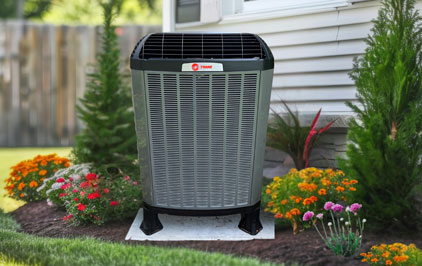
Ensure optimal performance of your heat pumps with expert servicing from East Coast Mechanical, Inc. of Cheshire, Connecticut!
Schedule Now