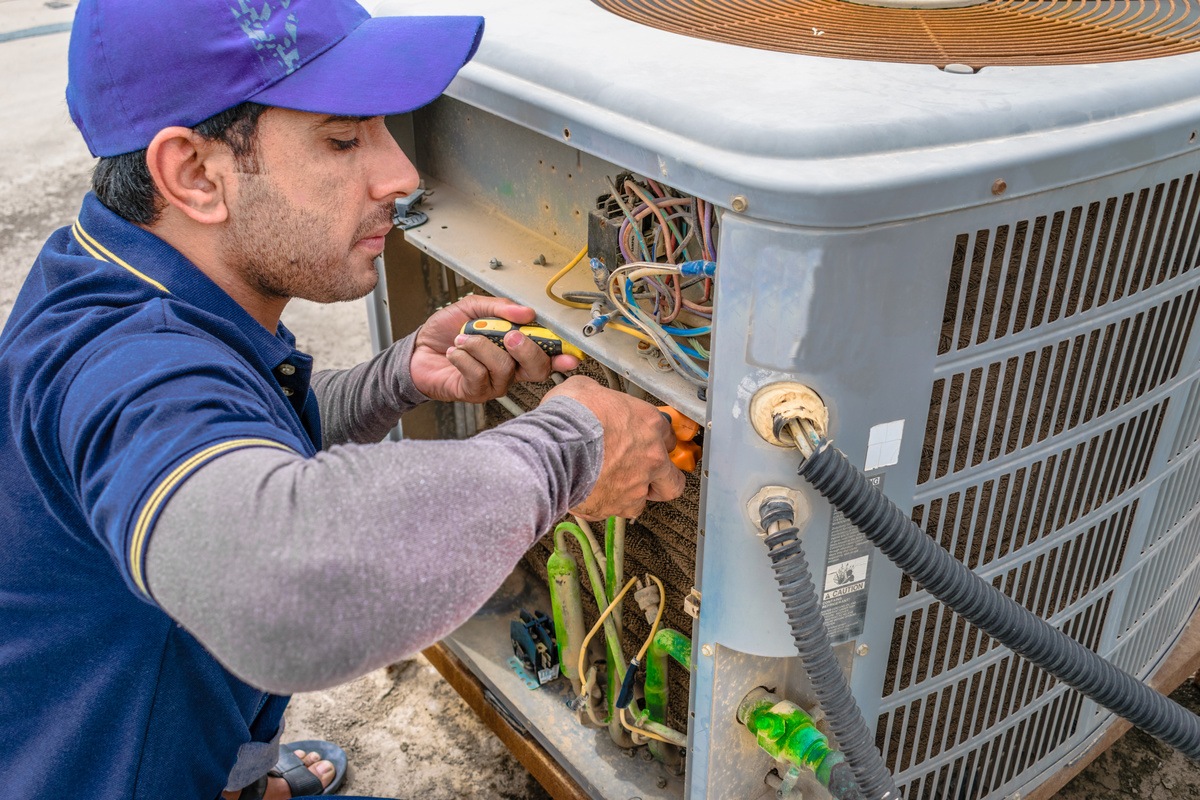
A furnace that runs constantly but never quite warms the house, a heating bill that climbs higher every winter, a system that clanks and rattles through the night — these are the signals that repair may no longer be the smart choice. Deciding whether to replace a heating system is one of the more significant decisions a homeowner makes, and at East Coast Mechanical, Inc. of Cheshire, Connecticut, we treat it that way. Below, we walk through the questions we hear most often from Southington homeowners and offer the guidance we would give a neighbor.
Is It Time to Replace Your Heating System?
The most common question we field is whether a system is truly at the end of its life or simply in need of a repair. Age is the first factor we consider. Most gas furnaces last between 15 and 20 years, while heat pumps and boilers have their own service ranges. If your system is approaching or past that window and needs a major repair, replacement often makes more financial sense than pouring money into aging components that will likely fail again.
Efficiency is the second consideration. Older furnaces frequently operate at 70 to 80 percent efficiency, meaning a meaningful portion of the fuel you pay for is wasted. Modern high-efficiency units reach ratings of 95 percent or higher. When we evaluate a home in Southington, CT, we look at how much you could realistically save on monthly energy costs and weigh that against the investment. We never push replacement when a repair will serve you well, but we also want you to have honest numbers to make the decision.
There are also comfort and safety concerns that push a replacement forward. Uneven heating, frequent cycling, rising humidity problems, and unusual noises all point to a system struggling to keep up. In the case of gas furnaces, a cracked heat exchanger is a serious safety matter that we take very seriously. If we detect one, we will explain exactly what we found and why replacement is the responsible path.
How We Approach Heating Replacement
Every heating replacement we perform begins with a thorough evaluation of your home, not just your old equipment. A system that is too large will short-cycle, wearing out prematurely and leaving temperature swings throughout the house. A system that is too small will run continuously and never reach comfortable levels on the coldest nights. Getting the size right is the foundation of a successful installation, so we start with a load calculation that accounts for square footage, insulation, window placement, ceiling height, and the layout of your ductwork.
Once we understand your home’s true heating demand, we help you select the right type of system. Southington homes vary widely, from older colonials to newer construction, and each presents different considerations. The main options we install include:
- High-efficiency gas furnaces: A strong choice for homes with existing gas service, offering reliable heat and excellent efficiency ratings.
- Heat pumps: An increasingly popular option that provides both heating and cooling from a single system, with impressive efficiency in Connecticut’s climate.
- Boilers: Ideal for homes with radiators or radiant floor heating, delivering steady, comfortable warmth.
After selecting equipment, we plan the installation carefully. This includes evaluating your ductwork or piping, checking electrical and gas connections, and confirming that venting meets current code requirements. Older homes sometimes need modifications to accommodate a modern high-efficiency unit, and we identify these needs before work begins so there are no surprises.
The Replacement Process Step by Step
When installation day arrives, our crew treats your home with respect from the moment we arrive. We protect floors and walkways, remove the old equipment safely, and dispose of it responsibly. Refrigerant recovery, when applicable, is handled in accordance with environmental regulations, and old gas or oil components are disconnected with care.
Installing the new system is where precision matters most. A furnace or heat pump is only as good as the installation behind it, and small errors in connection, sealing, or calibration can undercut even the best equipment. Our technicians follow a disciplined sequence:
- Set and secure the new unit: We position the equipment for proper airflow, drainage, and future service access.
- Connect utilities and venting: Gas, electrical, and exhaust connections are made to code and tested for leaks.
- Integrate with ductwork or piping: We seal connections to prevent air loss and confirm proper flow throughout the home.
- Calibrate and commission: We test the system across its full operating range, verify temperature output, and confirm safety controls function correctly.
Before we consider a job complete, we run the system through a full cycle and check that every room receives the heat it should. We also walk you through your new thermostat and explain how to get the most efficiency and longevity from your investment. Proper maintenance from the start extends the life of any heating system, and we make sure you understand what your new equipment needs.
Understanding the Technical Details
Homeowners often want to understand what the specifications on their new system actually mean, and we are always glad to explain. For furnaces, the AFUE rating (Annual Fuel Utilization Efficiency) tells you what percentage of fuel becomes usable heat. A 95 percent AFUE furnace converts nearly all its fuel into warmth for your home. For heat pumps, the HSPF rating measures heating efficiency, and higher numbers indicate lower operating costs over the heating season.
Staging is another feature worth understanding. Single-stage systems run at full capacity whenever they operate, while two-stage and variable-speed systems adjust their output to match demand. Variable-speed equipment runs longer at lower capacity, which produces more even temperatures, quieter operation, and better humidity control. When we recommend a system for a Southington home, we explain these trade-offs so you can decide what balance of comfort and cost fits your household.
Ductwork and airflow deserve attention too. Even a top-tier furnace will underperform if the ducts leak or are poorly sized. As part of many replacements, we inspect the distribution system and recommend improvements where they will make a real difference in comfort and efficiency.
Serving Southington and the Surrounding Communities
We are proud to provide heating replacement and a full range of HVAC services throughout Southington, CT and the neighboring towns of Cheshire CT, Wallingford CT, Meriden CT, Southington CT, Hamden CT, Naugatuck CT, North Haven CT, Wolcott CT. and Bethany CT. Our work covers heating repair, heating service, heating installation, HVAC installation, and AC repair and service, which means the same team you trust for a new furnace can care for your entire comfort system year-round.
The health and safety of our customers and our community remain a priority in everything we do. We continue to provide our customers and community with the best HVAC service while doing all we can to help keep you safe and healthy, with PPE provided to all our staff. When our technicians enter your home, you can expect professionalism, cleanliness, and respect for your family’s well-being.
If your heating system is struggling through another Connecticut winter, or if you simply want an honest assessment of whether replacement makes sense for your home, East Coast Mechanical, Inc. of Cheshire, Connecticut is ready to help. We will explain your options clearly, answer every question, and make sure the system we install keeps your home warm and comfortable for years to come. Reach out to schedule an evaluation and let us guide you through the process with the care and expertise you deserve.
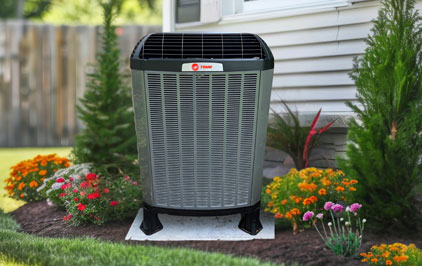
Ensure optimal performance of your heat pumps with expert servicing from East Coast Mechanical, Inc. of Cheshire, Connecticut!
Schedule Now